
 Spanish
CONTACT US
info@bidaiondo.com




These are Proteus, Stark and Vulcan, the new generation of robots with which Amazon wants to transform its logistics
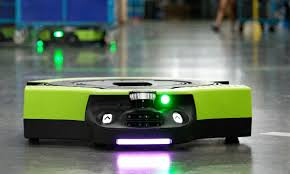
Amazon has unveiled a whole host of innovations in London regarding how it applies robotics to its logistics operations. The company aims to bring the latest innovations in fields like AI to this area, allowing it to accelerate and improve the profitability of operations related to receiving, sorting, and handling packages within its facilities. These new robots are part of a company plan to invest more than €10 billion in European distribution centers and increase its workforce by 25,000 people in the coming years, also boosting positions related to maintenance and engineering. From Orange Roombas to Robotic AI A long, long time ago (2012), in a far, far away place (California), Amazon first deployed Kiva Robots, devices that looked like orange Roombas on steroids. Those robots were so striking, and they so drastically changed the traditional concept of warehouse management, that their image quickly went viral, generating wonderfully astonishing videos like this waltz, or this dance set to music from The Nutcracker, recorded when Kiva was still an independent company from the eCommerce giant. Since then, the robotic technology that Amazon uses in its logistics centers has evolved considerably, incorporating the latest technological advances and, of course, AI. Over the years, we've talked to you on numerous occasions about Amazon's entire team of robots, including Proteus, its first mobile robotic unit, which included computer vision and machine learning. Since then, Amazon has developed, produced, and deployed more than a million robots across its network of operations. Now, it has just unveiled the new generation of Proteus, and it's straight out of a science fiction movie. A Green, Autonomous, and Intelligent Platform At first glance, the new Proteus has features quite reminiscent of the first Kiva Robots, but it's green, slightly wider, and barely 20 centimeters tall. It also has something like a mouth and super cute little eyes capable of "smiling." Oh, and it's smarter. Much smarter. According to Amazon, its warehouse employees will be able to direct Proteus naturally, using simple, conversational language, as if they were talking to a human colleague, without technical commands or a programming interface. "The employee tells it what to do, and the robot takes care of the rest," the company explains. In any case, the new Proteus will have much greater autonomy than its predecessor. Until now, the original Proteus worked in loading and unloading areas, transporting heavy loads of up to 400 kilos. However, the new generation of Proteus can operate “anywhere items need to be moved. This includes transporting containers upon arrival, transferring them between workstations, and assisting employees in Amazon's distribution centers and delivery points.” And all of this autonomously. Operators simply tell Proteus what needs to be done, and the robot determines the best route (including long distances within the logistics centers), prioritizes the task, and chooses the most appropriate time to perform it. Other mobile robots used by Amazon and other companies for warehouse operations follow lines of stickers on the floor to guide them, in areas surrounded by fences to keep robots and people separate. However, the new Proteus doesn't need any of this, thanks to sensors that allow it to know where to move and stop quickly if something gets too close.
Last news
Meta lleva WhatsApp Business a la era agéntica con un nuevo servidor MCP

Ya puedes añadir a tu Feed principal de Instagram las publicaciones en las que te hayan etiquetado

online trading systems.
 We show you the best way to market products and services online, through a professional service of installation, management and maintenance of your virtual store
We program to suit you
 We help you achieve operational excellence in all your business processes, whether they are production, logistics, service or office processes. In addition, we assure you to maintain continuous improvement in your management.
Bidaiondo Articles
Google's voice assistant, smarter and more agile thanks to the Gemini 3.8 Live and 3.8 Live Extended Thinking models

Real-time voice interaction with AI assistants is one of the areas where Google is focusing its efforts to offer a smoother user experience. Their latest advancement in this area is the recently announced Gemini 3.8 Live and Gemini 3.8 Live Extended Thinking models. These voice assistants, like their predecessors, allow for fluid, natural, and real-time voice conversations, but they stand out for their significant advancements in reasoning capabi...
You'll be able to buy the products you see on screen while watching a Prime Video series.

Amazon has just launched “Shop the Show,” a feature designed a year ago to allow viewers to purchase merchandise, clothing, or accessories featured in their favorite movies, TV shows, and sporting events in real time without pausing the main screen. How Shop the Show Works Surely you've watched a show and wondered where a character's outfit came from, like Ali's dress in Off Campus. Unlike other shoppable TV models that cl...
ABOUT US
FILES







Welcome to Bidaiondo, dear user
BIDAIONDO SL, as the party responsible for the website www.bidaiondo.com, uses its own operating cookies and those of third parties of an analytical nature to allow the use of the website, analyze our services and show you information related to your preferences based on a profile drawn up from of your browsing habits (for example: pages visited). Please bear in mind that, if you do not activate some types of cookies, such as operational and analytical cookies, your experience of using this website may be affected. You can obtain more information and configure your preferences in the CONFIGURE option that appears below, you can reject cookies in the REJECT AND CLOSE option or accept all cookies and continue browsing in the ACCEPT AND CLOSE option.
So do you want to know more?
Data privacy seems important to you, and it is to us too. We store cookie data for 13 months. If you want to know more, you can visit our pages Privacy Policy y Cookies policy. Do you know what cookies are? Cookies are files that are used by virtually all websites. When browsing our page, they are installed in your browser or device to ensure that the website works correctly and store information about your visit. The data provided by cookies treat the user anonymously and in no case do they store personal information.
The data collected by the cookies we use are:
- Addresses IP
- References of visited pages
- References of downloaded files
- The website itself www.bidaiondo.com
- https://www.moz.com
- https://secure/europeanssl.eu