
 Spanish
CONTACT US
info@bidaiondo.com








Google will incorporate image generation into its AI Overviews
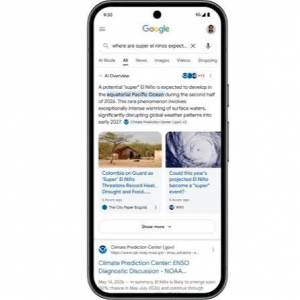
This week marks 25 years since the launch of Google Images, the feature that brought the visual component to Google Search thanks to the flood of queries from users wanting to see the iconic green Versace dress Jennifer Lopez wore to the 42nd Grammy Awards ceremony, which I'm sure you know (whether you were there, know the story, or recently watched Off Campus). To commemorate this anniversary, Google has introduced two new features related to visual search. The first is linked to the generative capabilities of AI Overviews, and the second is a new homepage for Google Images. Create Images in AI Overviews Google has integrated Nano Banana's capabilities into its AI Overviews to allow users to generate images directly in Search. Simply type the prompt indicating the image you want to generate into the search bar, and the AI will create it along with a text description that incorporates additional queries to refine it. “This update transforms a simple text suggestion into a high-quality, personalized image, created entirely from scratch, seamlessly blending imagination with reality,” the tech company explains. The feature will begin rolling out in the coming weeks in English, for regions that already support image creation in AI Mode (Spain is not yet among them). Was this feature really necessary? Now, I ask, is it really necessary to bring generative AI to every user touchpoint? My short answer would be no. But, taking this opportunity, I'll elaborate a bit. Generative AI image tools are relatively recent compared to many other technologies, and yet we are already seeing how content created with them has begun to flood the internet. Being fully aware of both the potential usefulness of these AIs and the problems they pose for genuine artists (and that the former cannot match the value and quality of a work created by a real person), my point on this issue lies more in the danger of the potential for them to distort reality. For example, I can search for information about Victorian fashion and receive real documentation (such as images from the press of the time), along with designs created by professionals who have researched and trained in the subject. This cannot be compared to an AI-generated image that may contain inaccuracies due to licensing issues, design errors, or the mixing of references from other styles. Similarly, searching for an image of a cheetah and obtaining a real photograph will always be more accurate (anatomically, in terms of how its body actually moves, its location, etc.) than if the result is generated by Nano Banana, no matter how much its capabilities have advanced. It's likely that Google's intentions aren't focused on this, and what the tech giant is aiming for is for users to utilize this new feature for purposes related to bringing their ideas to life. The company itself stated, "Sometimes the perfect image is out there on the web, waiting to be discovered. But other times, you might have a very specific vision for which an image doesn't yet exist." In fact, the example they shared on their blog showed the result of the request "create an image comparing a small bathroom with dark green and butter yellow walls." The AI Overview generated the image and added text with suggestions and questions to further refine the design if the user wished. This could easily have been done in the Gemini app, and in my opinion, it doesn't add much value to Search. I understand the point of wanting the public to experience AI features across the entire ecosystem, ultimately fostering a habit and a desire for its availability, but reflecting a bit on how this technology is evolving and where it's leading us is always worthwhile. New Google Images Homepage The second update announced by the tech giant is a new homepage for Google Images. This includes a dynamic and immersive gallery of images from across the web, updated in real time and personalized to your interests. “As you explore and save ideas to your collections, they’ll appear as tabs above the main gallery, allowing you to easily revisit what inspires you,” explains Google. This new page will begin rolling out to computers in the United States and in English over the next few weeks. You need to be signed in to your Google account to use it.
Last news
Ahora puedes invitar a cualquiera a tus llamadas de WhatsApp, incluso si no tiene perfil en la app

Para influir ya no basta con ser influencer: qué valoran los consumidores españoles

online trading systems.
 We show you the best way to market products and services online, through a professional service of installation, management and maintenance of your virtual store
We program to suit you
 We help you achieve operational excellence in all your business processes, whether they are production, logistics, service or office processes. In addition, we assure you to maintain continuous improvement in your management.
Bidaiondo Articles
What's new on YouTube for editors and content creators

If you edit videos for YouTube, you'll definitely be interested in the latest announcement from Made on YouTube. The platform has unveiled a series of new features designed to simplify the technical workflow so creators can focus on telling great stories. They've also introduced features to improve monetization and brand relationships, such as those we discussed in this article about Ask YouTube and Shopping. According to their Trends and...
TikTok drives the era of ‘Agentic Commerce’: new AI solutions for advertisers

TikTok continues to accelerate its commitment to artificial intelligence and e-commerce. During Advertising Week New York 2026, the entertainment platform unveiled a comprehensive suite of AI-powered solutions designed to cover every stage of the marketing funnel, from discovery to direct conversion. According to a Public First study, companies that advertised on TikTok last year generated €31 billion in economic value in the EU. Furthermore...
ABOUT US
FILES







Welcome to Bidaiondo, dear user
BIDAIONDO SL, as the party responsible for the website www.bidaiondo.com, uses its own operating cookies and those of third parties of an analytical nature to allow the use of the website, analyze our services and show you information related to your preferences based on a profile drawn up from of your browsing habits (for example: pages visited). Please bear in mind that, if you do not activate some types of cookies, such as operational and analytical cookies, your experience of using this website may be affected. You can obtain more information and configure your preferences in the CONFIGURE option that appears below, you can reject cookies in the REJECT AND CLOSE option or accept all cookies and continue browsing in the ACCEPT AND CLOSE option.
So do you want to know more?
Data privacy seems important to you, and it is to us too. We store cookie data for 13 months. If you want to know more, you can visit our pages Privacy Policy y Cookies policy. Do you know what cookies are? Cookies are files that are used by virtually all websites. When browsing our page, they are installed in your browser or device to ensure that the website works correctly and store information about your visit. The data provided by cookies treat the user anonymously and in no case do they store personal information.
The data collected by the cookies we use are:
- Addresses IP
- References of visited pages
- References of downloaded files
- The website itself www.bidaiondo.com
- https://www.moz.com
- https://secure/europeanssl.eu